In interior design, the most important parameter that directly shapes mood, perception, and function is undoubtedly the Different Lighting concept. A single type of light source is no longer sufficient; when ambient, task, accent, and decorative layers are designed together, both visual comfort and aesthetic depth are created. The rich spectrum and optical options offered by LED technology allow you to implement Different Lighting scenarios without compromising energy efficiency.
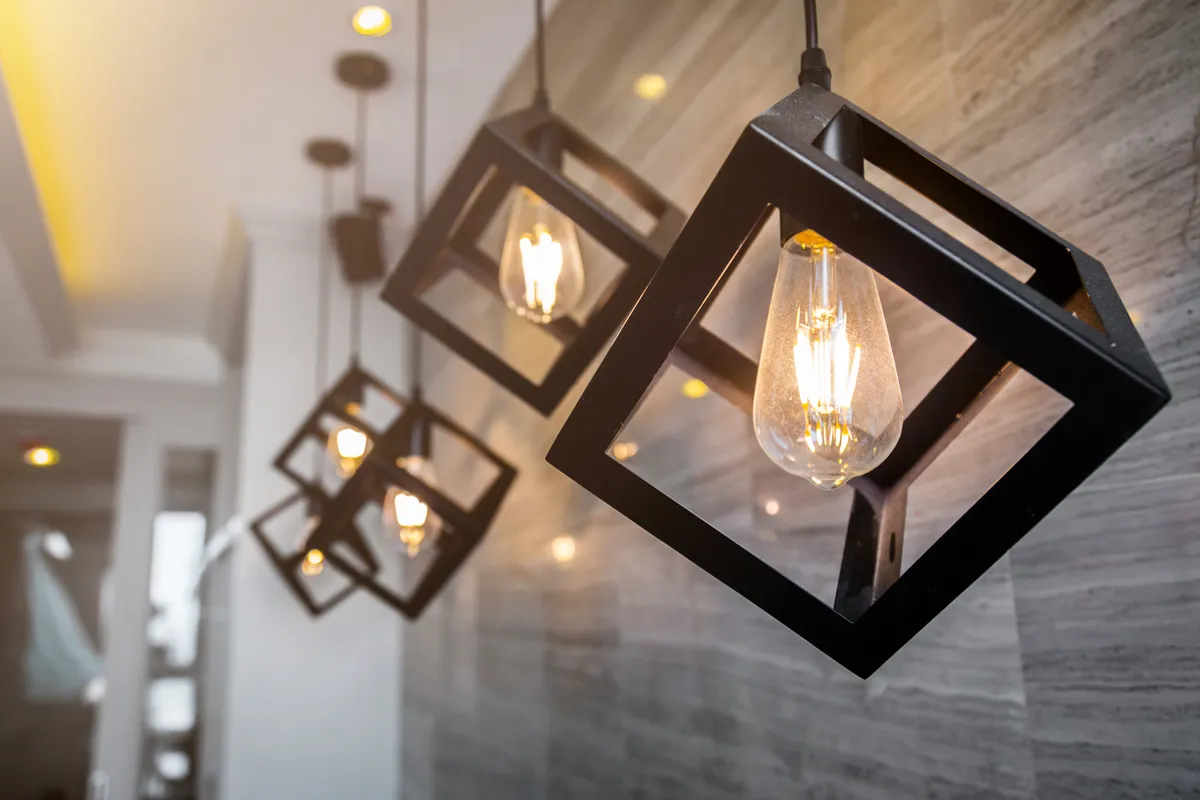
The first layer, ambient light, provides overall visibility of the space with a homogeneous level of 200-300 lux, usually emanating from ceiling surfaces. Linear lights with microprismatic diffusers or UGR < 19 panels keep screen glare under control. For task lighting, 400-600 lux is targeted; 4000 K neutral white strips are chosen for kitchen countertops, and 90° narrow-angle spotlights for work desks. Within the Different Lighting options, the third layer is accent lighting: 15° track spots highlight paintings, while 3000K warm white pendant lights create focus around the dining table. The final layer is decorative lighting that enhances the emotional impact; RGB-W strips create ambiance behind the TV, and rustic filament bulbs evoke a sense of nostalgia in the living room corner.
The biological effect of light color cannot be ignored. Cool 6500K tones increase alertness in the morning, while 2700K warm white promotes relaxation in the evening. Using tunable-white LED drivers, it's possible to seamlessly transition between Different Lighting scenes throughout the day. CRI ≥ 90 chips guarantee color accuracy from textile patterns to artwork; the flicker-free design prevents vibration during video recording and enhances eye comfort.
The intelligent control infrastructure, with Bluetooth Mesh/DALI-2 modules and sensor integration, increases energy savings by up to 40%. A daylight sensor automatically dims window-side fixtures; a presence sensor puts an empty hallway into 20% standby mode. Parameters of PF ≥ 0.95 and THD ≤ 10% protect the electrical grid from harmonic distortion. On the sustainability front, 90% of the housings are made from recycled aluminum, and the cables are produced with halogen-free sheathing; lead-free solder and low-VOC paint add points to green building certifications.
All these technical and aesthetic advantages come to life in Ossam Lighting's R&D-focused product range. IES/LDT files facilitate the pre-verification of lux and uniformity values in Dialux simulations; post-installation digital twin monitoring reports luminaire health and energy consumption in real-time. Thus, Ossam Lighting's Different Lighting solutions bring a layered, energy-efficient, and emotionally charged lighting experience to your living and working spaces.
Tags: